The 5 Habits to Build in Your 40s That Protect Your Health for Decades
The habits that matter most after 50 are rarely dramatic. A calm look at five ordinary practices that, kept up patiently over years, quietly shape how well you live through the decades ahead.
There is no shortage of health advice aimed at people in midlife. New supplements, new diets, new devices on the wrist that promise to tell you how well you slept. Much of it is louder than it is useful.
The habits that genuinely protect health after 50 tend to be far less exciting. They are the ones your grandparents might have recognised, and the ones that research has returned to again and again. What makes them powerful is not novelty but consistency: small things, done most days, for a long time.
What follows are five of them. None is a secret. Most people already know them in outline. The difference lies in treating them as the foundation rather than the afterthought.
1. Keeping Your Strength
Muscle declines gradually from midlife onwards, and the pace tends to quicken in later years. It is one of the least visible changes of the second half of life and one of the most consequential, because strength underpins balance, independence and the ordinary business of carrying, climbing and getting up again.
The good news is that muscle responds to effort at any age. The NHS recommends activities that strengthen the major muscle groups on at least two days a week. That can mean weights, resistance bands, bodyweight exercises at home, or heavy work in the garden. What matters is that the effort is real and that it builds gradually.
2. Moving Through the Day
Formal exercise is valuable, but it is not the whole picture. For many people in their fifties, the bigger issue is the long stretches of sitting in between: at a desk, in the car, on the sofa in the evening.
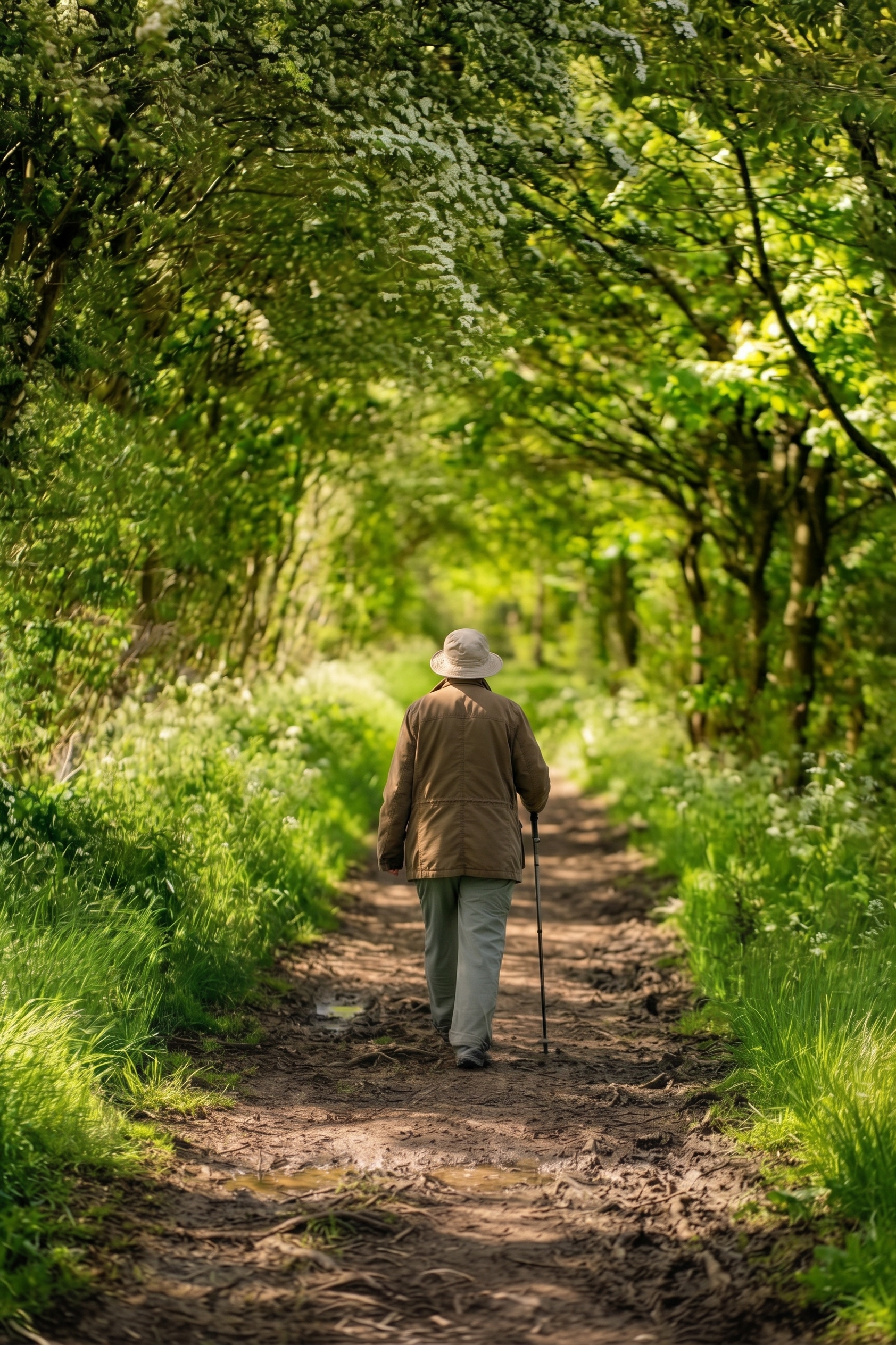
Regular walking is one of the most well-supported habits there is. It is good for the heart, for blood sugar, for joints and for mood, and it asks for nothing more than a decent pair of shoes. A brisk walk that leaves you slightly out of breath counts as moderate activity, and it adds up over a week.
Beyond walking, it helps simply to stand up more often. Take calls on your feet. Use the stairs. Walk to the shops when you could drive.
3. Protecting Your Sleep
Sleep often becomes less generous in midlife. Hormonal changes, stress, a busier mind at three in the morning. It is easy to accept poorer sleep as simply part of getting older.
Yet sleep is when the body repairs itself, and research suggests that consistently poor sleep is linked with a wide range of health problems, from heart health to mood to memory. It deserves to be treated as a priority rather than whatever is left over at the end of the day.
The basics are unglamorous but effective for many people: a regular time to go to bed and get up, a cool and dark bedroom, less alcohol and caffeine later in the day, and some daylight in the morning. If sleep remains persistently difficult, or if a partner notices loud snoring or pauses in your breathing, it is worth mentioning to your GP.
4. Eating With Intention
There is no single correct way to eat after 50, and anyone claiming otherwise is probably selling something. But the broad consensus is reassuringly familiar: plenty of vegetables, fruit, pulses and whole grains, a good source of protein at each meal, and less in the way of heavily processed food and sugar.
Protein deserves particular attention in this decade, because it supports the muscle you are working to keep. Many people eat most of theirs in the evening, so a more substantial breakfast or lunch can make a quiet difference.
Alcohol is worth an honest look too. Habits formed in busier years can drift upwards without anyone deciding they should. The aim is not perfection. It is noticing what has become automatic, and choosing again.
5. Staying Connected
This one is easily left off health lists, which is a mistake. Loneliness and social isolation are increasingly recognised as genuine risks to health, not merely to happiness.
Midlife can thin out social lives without anyone quite noticing. Children leave, colleagues change, old friends move away, and the effort required to see people seems to grow. Over time, the circle narrows.
Protecting your health includes protecting your relationships: the regular phone call, the standing arrangement, the group or class that gives you a reason to leave the house and see familiar faces. It also includes being known by your own GP, and taking up routine checks such as the NHS Health Check when you are invited.
If you are planning any significant change to your exercise or diet, or have existing health conditions, it is sensible to talk it through with your GP first.

Reflection Questions
- Which of these five habits comes most naturally to me, and which have I been quietly neglecting?
- How many hours a day do I spend sitting, and where could I break that up?
- Do I treat sleep as something to protect, or something to fit in around everything else?
- Who would I like to see more often, and what is actually stopping me?
- What is one small change I could keep up for the next three months?
Final Thoughts
None of these habits will transform your health in a week. That is rather the point. Their value lies in accumulation, in what they add up to across ten or twenty years.
You do not need to begin all five at once. Choose the one that feels most within reach, and let it settle before adding another.
The decades after 50 can be some of the most rewarding of a life. These habits are simply a way of making sure you are well enough to enjoy them.
You might also find useful

Sekonda Smart Watch
A smart watch to track steps, heart rate, sleep and activity — useful data for building and maintaining healthy daily habits.
View on Amazon → (opens in a new tab)
OxiPro Blood Pressure Monitor
A home blood pressure monitor supplied with a carrying case — knowing your numbers is one of the most important health habits after 45.
View on Amazon → (opens in a new tab)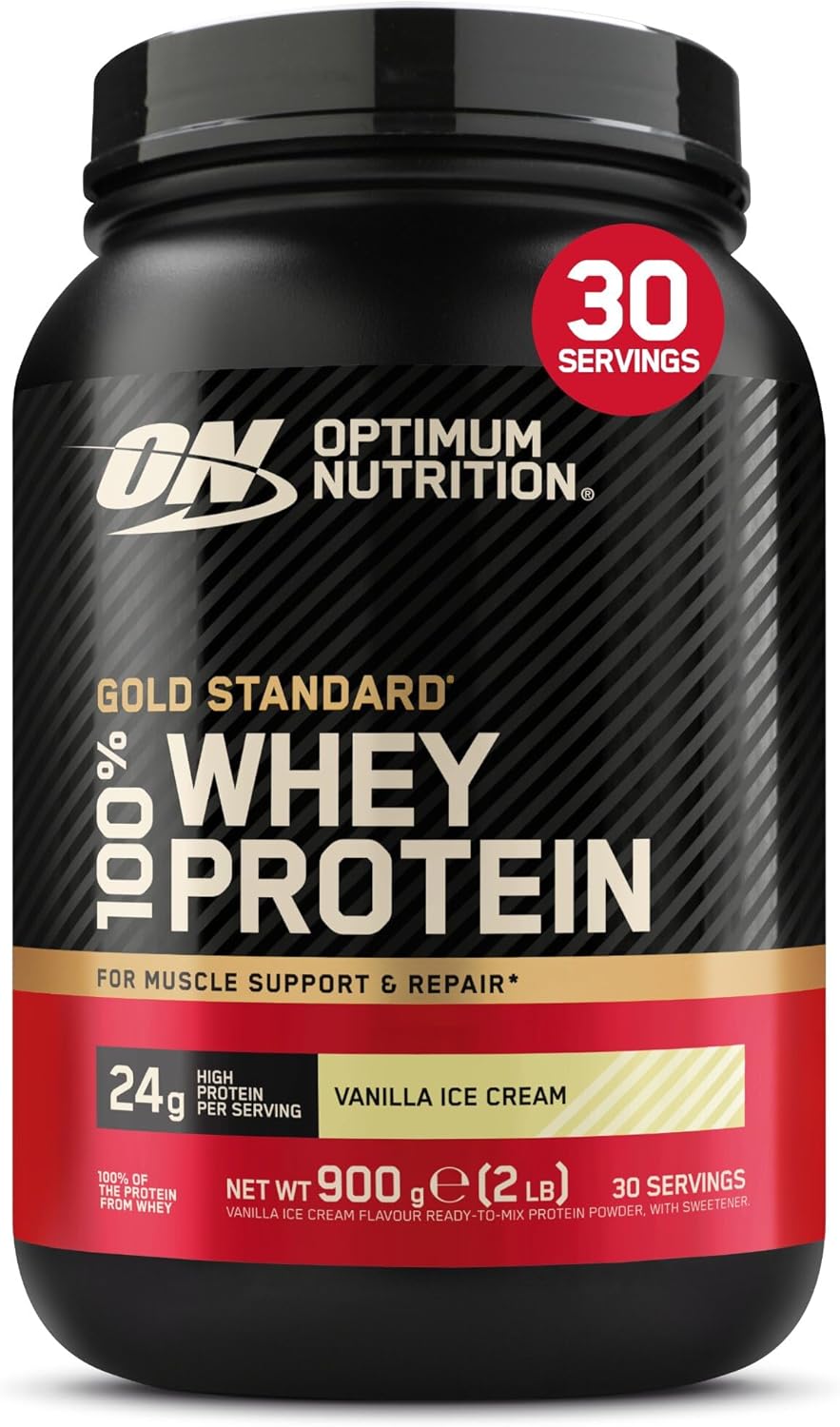
Optimum Nutrition Gold Standard Whey Protein
A convenient way to support daily protein intake as part of a balanced diet and active lifestyle.
View on Amazon → (opens in a new tab)
Covacure Adjustable Walking Poles
Make daily walking more effective and sustainable with these lightweight adjustable poles.
View on Amazon → (opens in a new tab)As an Amazon Associate I earn from qualifying purchases.