Rediscovering Interests You Abandoned Years Ago
Most of us set something aside in our twenties or thirties, meaning to return to it. A gentle look at why those old interests still matter, and how to pick them up again without pressure or embarrassment.
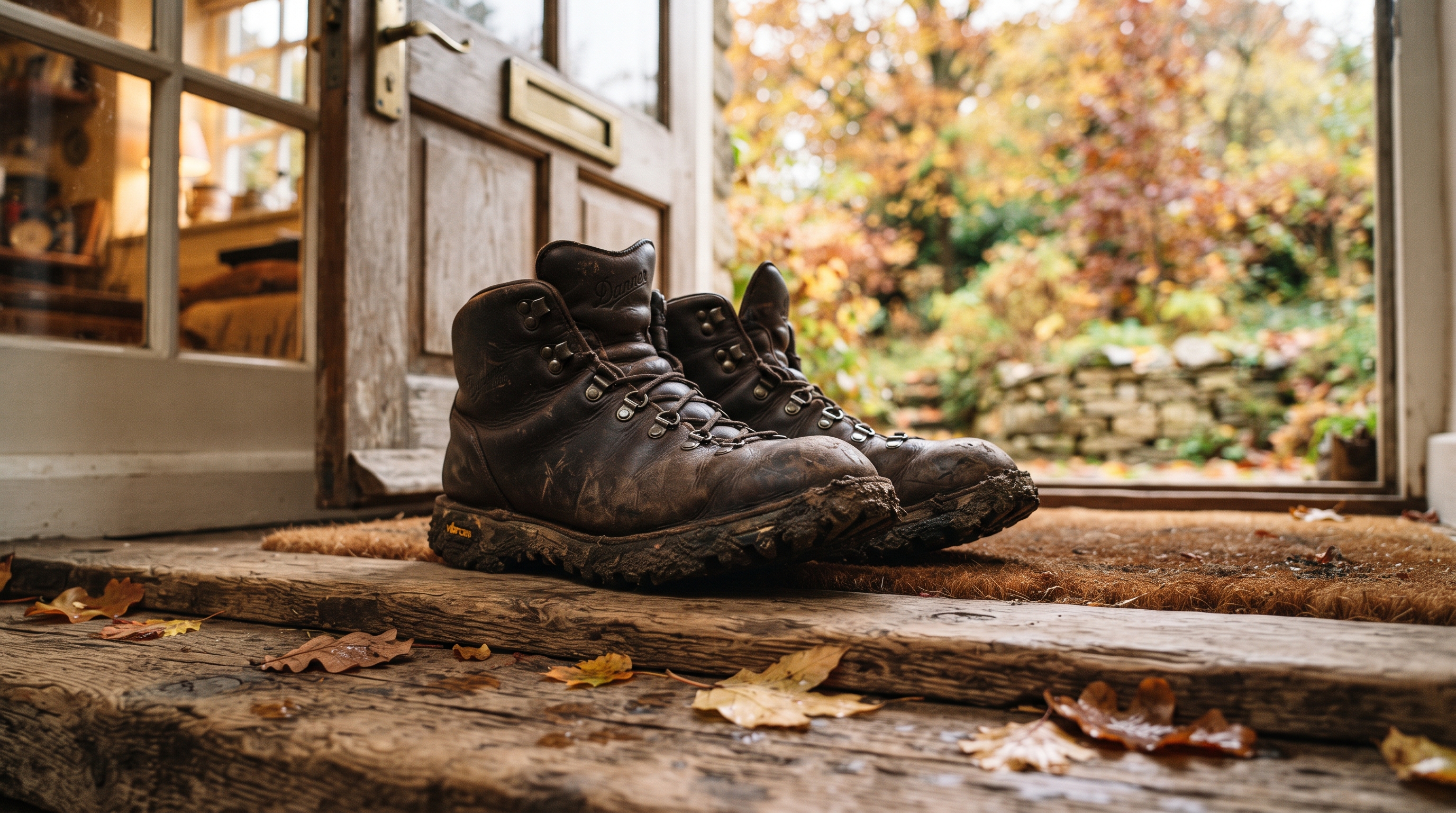
Somewhere in a loft, a cupboard or the back of a wardrobe, there is probably evidence of a person you used to be. A guitar with old strings. A box of sketchbooks. Walking boots that have not seen a hill in fifteen years. A shelf of books on a subject you once meant to study properly.
None of these things were abandoned in a single decision. They simply slipped, one busy year at a time, behind work, children, mortgages and the general business of keeping a life running. You always assumed you would come back to them.
For many people in their late forties and early fifties, that assumption begins to feel less like a plan and more like a question.

Why Old Interests Still Pull at You
It is worth asking why these particular things linger when so much else has been forgotten.
Often it is because they were chosen freely. Before careers and responsibilities shaped most of your decisions, there was a period when you did things simply because they absorbed you. Nobody required them. Nobody was assessing you. They were, in a quiet way, an early sketch of your own taste.
That is why returning to them can feel more significant than taking up something new. It is not only an activity. It is a reconnection with a version of yourself whose preferences were not yet organised around obligation.
The Awkwardness of Going Back
It is also true that going back can be uncomfortable, and it is better to expect that than to be ambushed by it.
Your hands will not remember the chords as well as you hoped. The first run will be slower than the ones you remember. The paintings will look clumsy beside the memory of what you used to produce, a memory that has probably been improving quietly for years.
There can be a sharper feeling too. A kind of grief for the time that passed, and for the version of this interest you might have developed had you never stopped. That feeling is honest, and it does not need to be argued away. But it is worth noticing that it is about the past. The present question is simpler: does this still give you something?
The awkward stage passes. It is usually shorter than people fear.
Returning as a Different Person
One thing that surprises people is how differently an old interest can feel when they come back to it.
At twenty, you may have played music to impress, or run to prove something, or written because you thought you might be a writer. At fifty, the same activity often loses that edge. There is less to prove, and more room to simply enjoy the thing itself.
You also bring decades of experience with you. Patience you did not have before. A better sense of how you learn. A tolerance for slow progress that a younger self might have found unbearable. Many people find they are better students in middle age than they ever were at the start.
Letting It Change Shape
It is not necessary to return to an interest in exactly the form you left it.
Someone who once played in a band might find more satisfaction now in playing alone in the evenings, or in a local choir. Someone who used to climb might find the same feeling in long coastal walks. A lapsed language learner might not want fluency any more, only enough to read a novel slowly with a dictionary nearby.
The point is not to restore an old hobby faithfully, like a piece of furniture. It is to find out what the interest was really giving you, whether that was concentration, company, physical effort or the pleasure of making something, and to look for that in a shape that fits the life you have now.
Starting Without Ceremony
The biggest obstacle is often the sense that a return ought to be a project. New equipment, a course, a goal, a schedule.
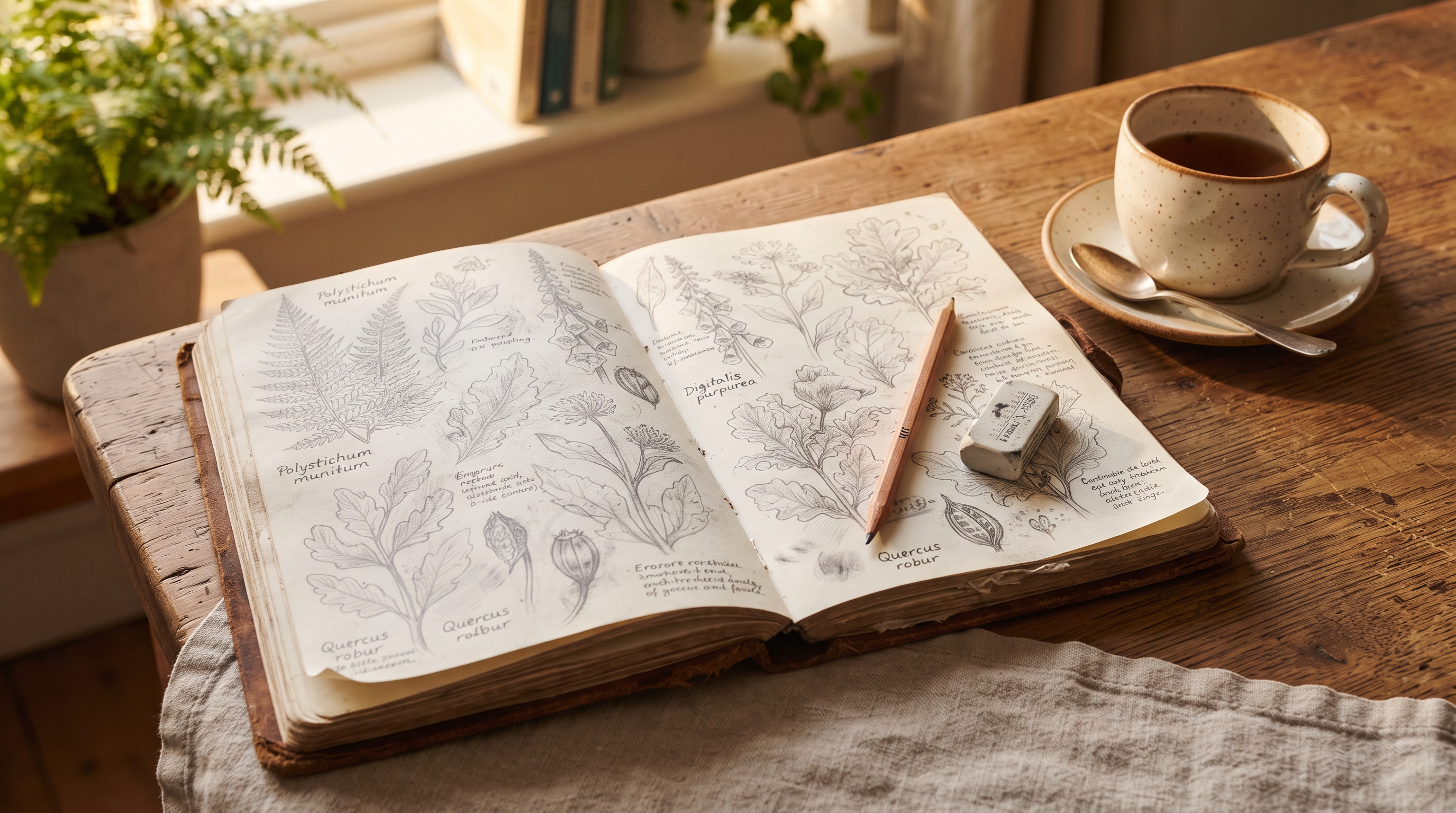
It is usually better to begin almost absurdly small. Take the guitar out and play for ten minutes. Walk one of the old routes on a Sunday morning. Open the sketchbook and draw the mug on the table. No announcement, no commitment beyond the next time.
If it holds your attention, it will ask for more on its own. If it does not, you will have learned something useful without any loss of face. Some interests belong to the past, and recognising that is its own kind of clarity.
Reflection Questions
- What did I love doing before work and responsibility filled most of my time?
- Which of those interests do I still think about, even occasionally?
- What was that interest really giving me, beneath the activity itself?
- What small, low-pressure way could I try it again this month?
- If my first attempts feel clumsy, what would I like to say to myself?
Final Thoughts
The things we set aside rarely disappear completely. They wait, sometimes for decades, in boxes and cupboards and in the back of the mind.
Returning to one is not about recovering lost time. That time is gone, and that is all right. It is about discovering that part of you has been patient all along, and is still interested.
You do not have to be good at it again. You only have to begin.
You might also find useful

British Sign Language for Dummies
A practical introduction to BSL — learning a new language or skill in midlife is one of the most rewarding ways to rediscover curiosity.
View on Amazon → (opens in a new tab)
Grabie Watercolour Painting Starter Kit
A complete watercolour set for beginners — everything you need to pick up a creative practice you may have left behind years ago.
View on Amazon → (opens in a new tab)
101 Things I Love About Your Life Journal
A reflective journal to help you reconnect with what genuinely matters to you — beyond work and routine.
View on Amazon → (opens in a new tab)
The New Penguin Russian Course
A comprehensive introduction to Russian for complete beginners — learning a new language in midlife is one of the most rewarding ways to rediscover curiosity and keep the mind sharp.
View on Amazon → (opens in a new tab)As an Amazon Associate I earn from qualifying purchases.