Why People in Their 40s Are Already Rethinking Retirement
The idea of working flat out until a fixed date and then stopping entirely was always an invention of its time. A considered look at why that model is loosening, and what might sensibly take its place.
Most of us grew up with a very particular picture of retirement. A long career, a leaving do, a card signed by people you barely knew, and then a clean stop. The next morning, no alarm. The garden, the golf course, the long-promised trip.
It is a tidy picture, and for a generation or two it described reasonably well how working life ended. But it was never a law of nature. It was an arrangement, shaped by the jobs, pensions and life expectancies of a particular period.
Those conditions have shifted considerably. The picture, for many people, has not.

This conversation used to belong to people in their late 50s. It no longer does. People in their 40s are increasingly questioning the traditional model — not because retirement is imminent, but because the assumptions that model rests on no longer hold for their generation.
Where the Old Model Came From
The single retirement date belongs to an era of long service with one employer, physically demanding work, and a shorter stretch of life afterwards. In that context, a firm line made sense. Work wore people out, and the years beyond it were relatively few.
Much of that has changed. A great deal of work is now less physical, careers are more varied, and many people can reasonably expect a long and active period after their main working years. The line has stayed where it was while almost everything around it has moved.
The Cliff Edge Problem
The most common difficulty with a sudden stop is not financial. It is the abruptness.
On a Friday you are needed, consulted and busy. By the following Wednesday the diary is empty, the phone is quiet, and the days have no particular shape. People who have looked forward to this moment for years are often surprised by how disorienting it feels.
It is rather like stepping off a moving train. The ground is perfectly solid. It is the change of speed that unsettles you.
Some people adjust quickly, but many find that a gradual descent would have suited them far better than a single drop, and only realise it once the drop has happened.
The Shapes That Are Emerging
In practice, more people are now leaving work by degrees rather than all at once. The forms vary, but a few recur:
- Phased or flexible retirement — reducing days or responsibilities with an existing employer over a period, rather than stopping on a single date
- Part-time or portfolio work — a mix of smaller roles, perhaps consultancy, a board seat, some teaching or mentoring
- A different kind of work altogether — something smaller, closer to home or closer to an old interest, chosen for its own sake rather than for advancement
- Unpaid contribution — volunteering, trusteeship, caring roles, or community work that carries real responsibility
Each has its own trade-offs, and none is automatically better than a clean stop. What they share is that they treat the end of working life as a transition with a shape, rather than a single event on a calendar.
What Is Worth Separating Out
The traditional model bundles together several decisions that do not need to be made at the same moment. When you stop earning a full salary, when you draw a pension, when you stop working altogether, and when you stop feeling useful are four different things.
Treating them as one tends to force all of them into the same date. Pulling them apart gives you considerably more room.
You might, for instance, reduce your hours well before you draw on any pension. You might stop paid work entirely but take on a role that carries genuine responsibility. You might find that the income question and the purpose question have quite different answers, and different timings.
The practical detail of any of this — how pensions interact with part-time earnings, what your employer offers, how the State Pension fits in — is individual and changes over time. It deserves proper advice. But the underlying question, of what you actually want each of these four things to look like, is one only you can answer.
Questions of Pace Rather Than Endings
Perhaps the most useful shift is in the question itself. Instead of asking when you will retire, it can help to ask how you would like the next fifteen or twenty years of work and life to change in pace.
Perhaps you would like to keep doing what you do, but with fewer days and less travel. Perhaps you would like to stop managing people and go back to the craft that drew you in. Perhaps you are tired in a way that a long holiday will not fix, and a full stop really is what you need.
All of these are legitimate. The point is to choose one, rather than inherit one.
Reflection Questions
- When I picture the end of my working life, whose picture am I actually using?
- Would a sudden stop or a gradual descent suit my temperament better, and how do I know?
- Which parts of my work would I genuinely miss, and which would I be glad never to do again?
- Do I want income, purpose and structure to end at the same time, or could they each have their own timetable?
- What conversation could I have this year, with an employer, a partner or an adviser, that would make the options clearer?
Final Thoughts
The traditional retirement model was a sensible answer to the circumstances of its time. It is not a failure to follow it, and it is not a rebellion to depart from it.
What has changed is that the choice is now genuinely open. There is no longer a single correct way to leave working life, and that brings both freedom and a certain responsibility to think it through.
Retirement need not be a door that closes. It can be a dimmer switch, turned gradually, at a pace that suits you.
You might also find useful

Minimalism: A Meaningful Life
A thoughtful case for living with less — relevant to anyone rethinking what the second half of life should look like.
View on Amazon → (opens in a new tab)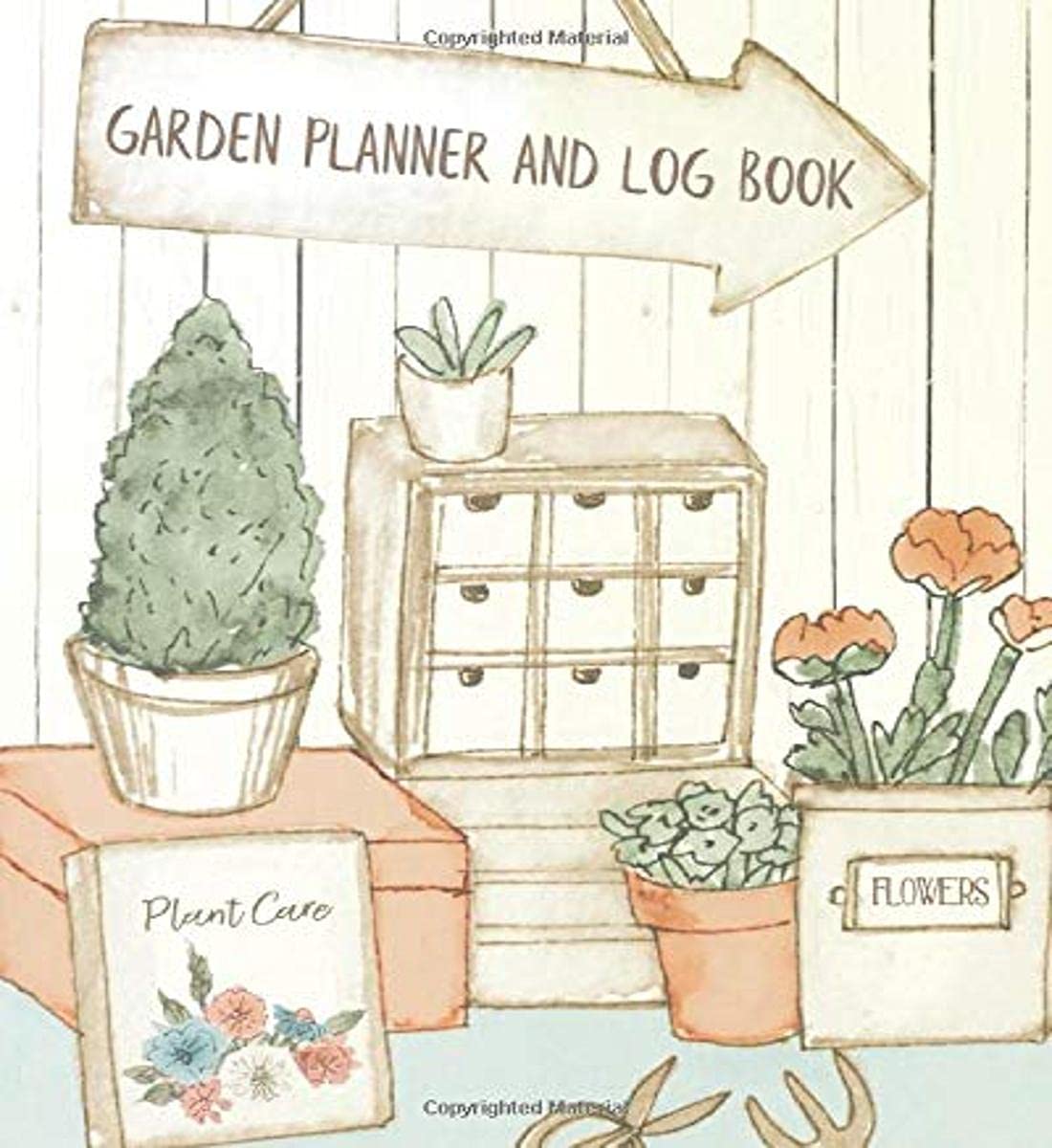
Allotment Gardeners Log Book and Journal
A practical log book for planning and recording your allotment or garden — a popular pursuit for those reimagining life beyond the traditional career.
View on Amazon → (opens in a new tab)
Garden Planner and Log Book
A structured garden planning journal to help you make the most of growing your own food and flowers.
View on Amazon → (opens in a new tab)As an Amazon Associate I earn from qualifying purchases.