The Rise of Slower Living
After decades of moving quickly, many people in midlife find themselves wanting something gentler. A thoughtful look at what slower living actually means, what it is not, and how it might fit an ordinary week.
There is a particular kind of tiredness that settles in somewhere around fifty. It is not quite exhaustion, and it is not quite boredom. It is closer to a weariness with pace itself.
For years, speed has been a virtue. Answering quickly, deciding quickly, fitting one more thing into the day. It has earned you a reputation, a career, a household that more or less runs. And then, without much warning, the speed starts to feel less like competence and more like something you are caught inside.
Slower living is, in large part, a response to that feeling.
What It Is Not
It is worth clearing away a few misconceptions first, because the phrase has acquired some unhelpful associations.
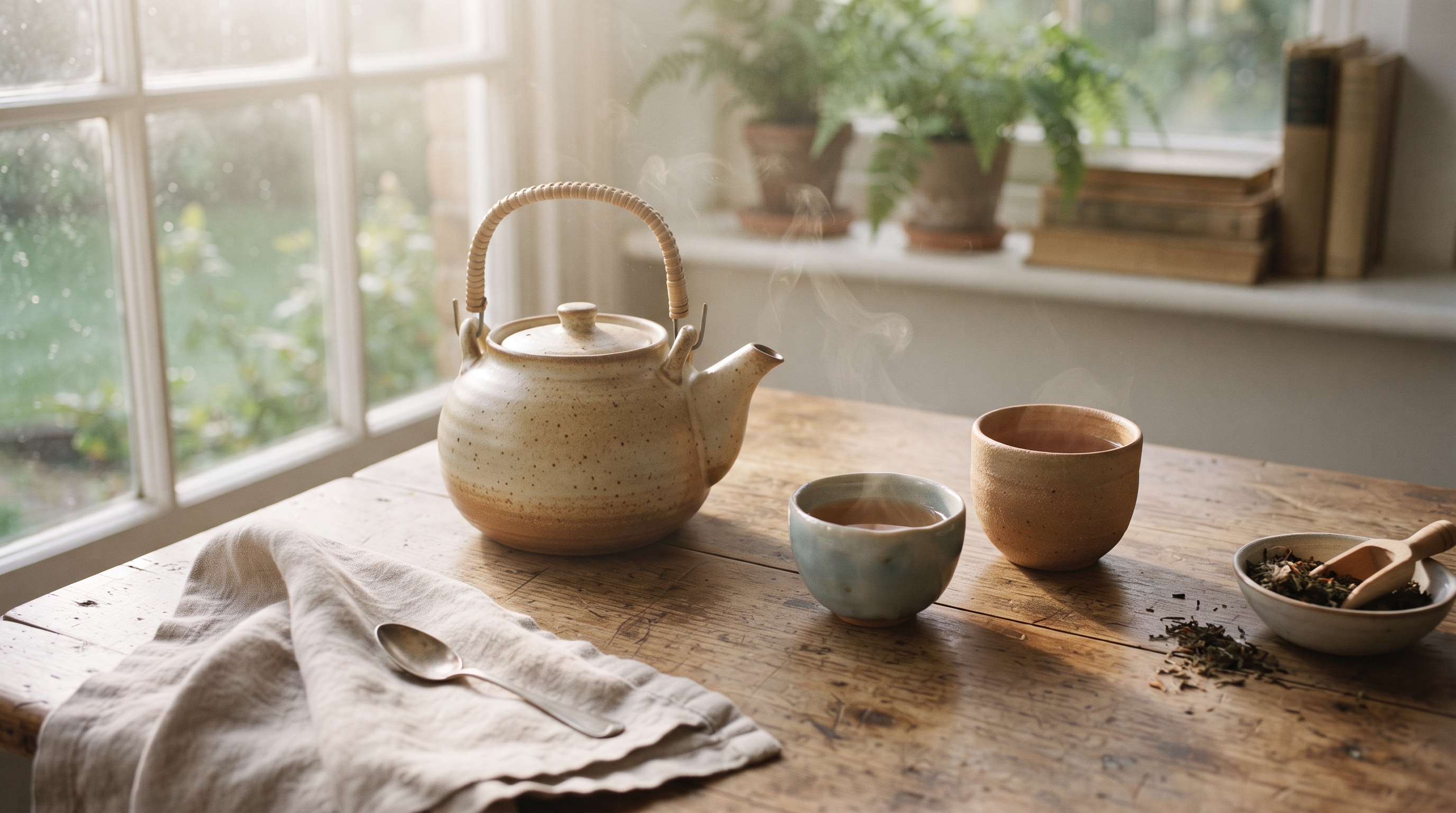
Slower living is not a lifestyle aesthetic. It does not require linen, sourdough or a cottage in the Cotswolds. It is not a rejection of ambition, and it is not the same as doing less of everything. Plenty of people who live slowly are busy, engaged and productive.
Nor is it the preserve of those who can afford to step back from work entirely. Some of the most meaningful versions of it happen inside an ordinary working week.
At its simplest, it means doing fewer things with more attention. Choosing your pace rather than having it set for you.
Why It Appeals Now
The appeal in midlife is not hard to understand.
For many people, the years between thirty and fifty are the most crowded of their lives. Careers are building, children are young, parents begin to need more, and there is rarely a stretch of time that is not already spoken for. Moving fast is not a choice so much as the only way to keep everything upright.
As some of those pressures begin to ease, a question surfaces that there was no room for before. If I no longer have to go this quickly, would I still choose to?
For a growing number of people, the honest answer is no.
There is also, perhaps, a sharper awareness of time itself. Not in a morbid way, but in the quiet recognition that the years are finite and that rushing through them does not make them more plentiful. If anything, it makes them harder to remember.
The Texture of a Slower Day
What does it look like in practice? Rarely anything dramatic.
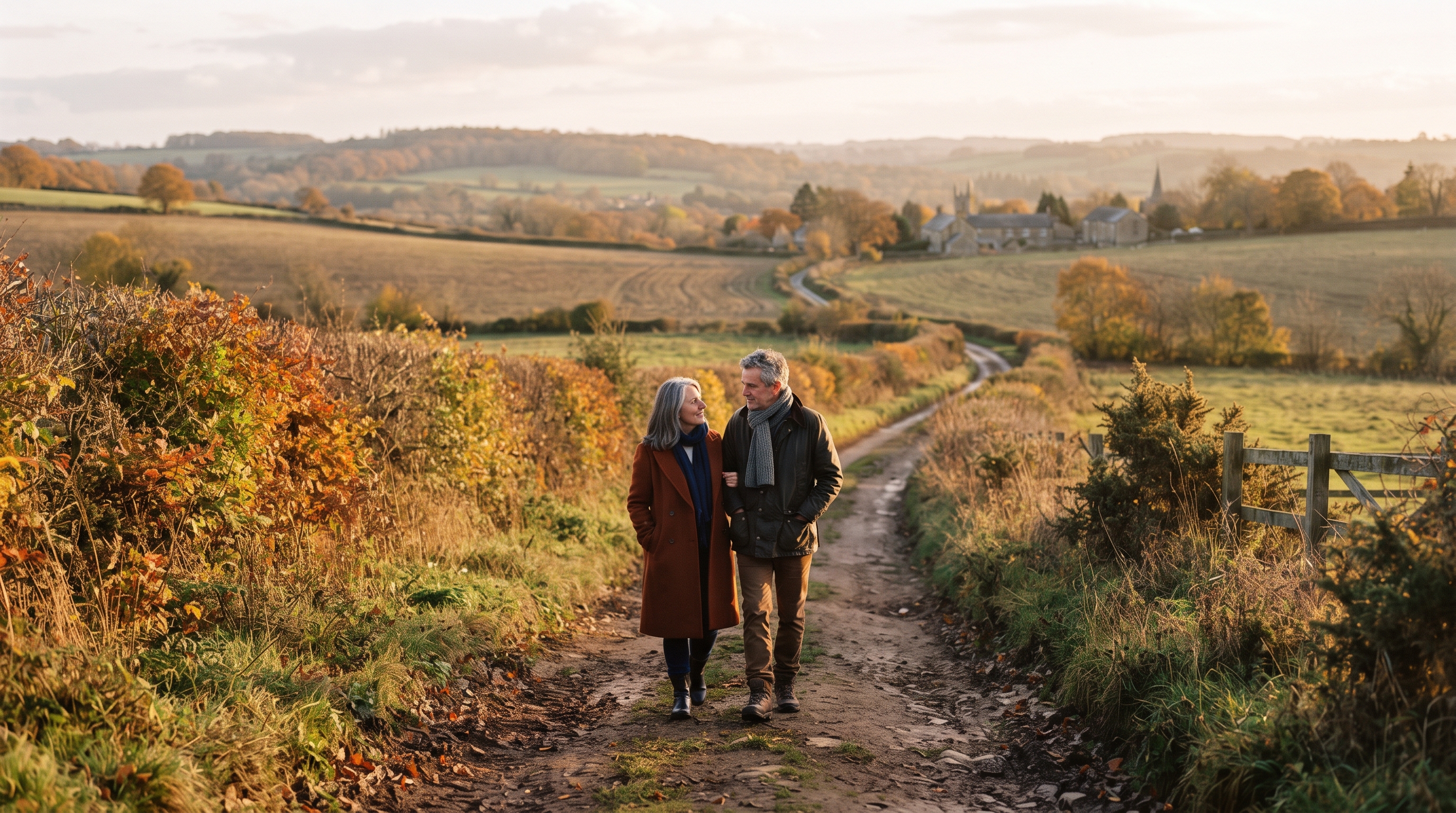
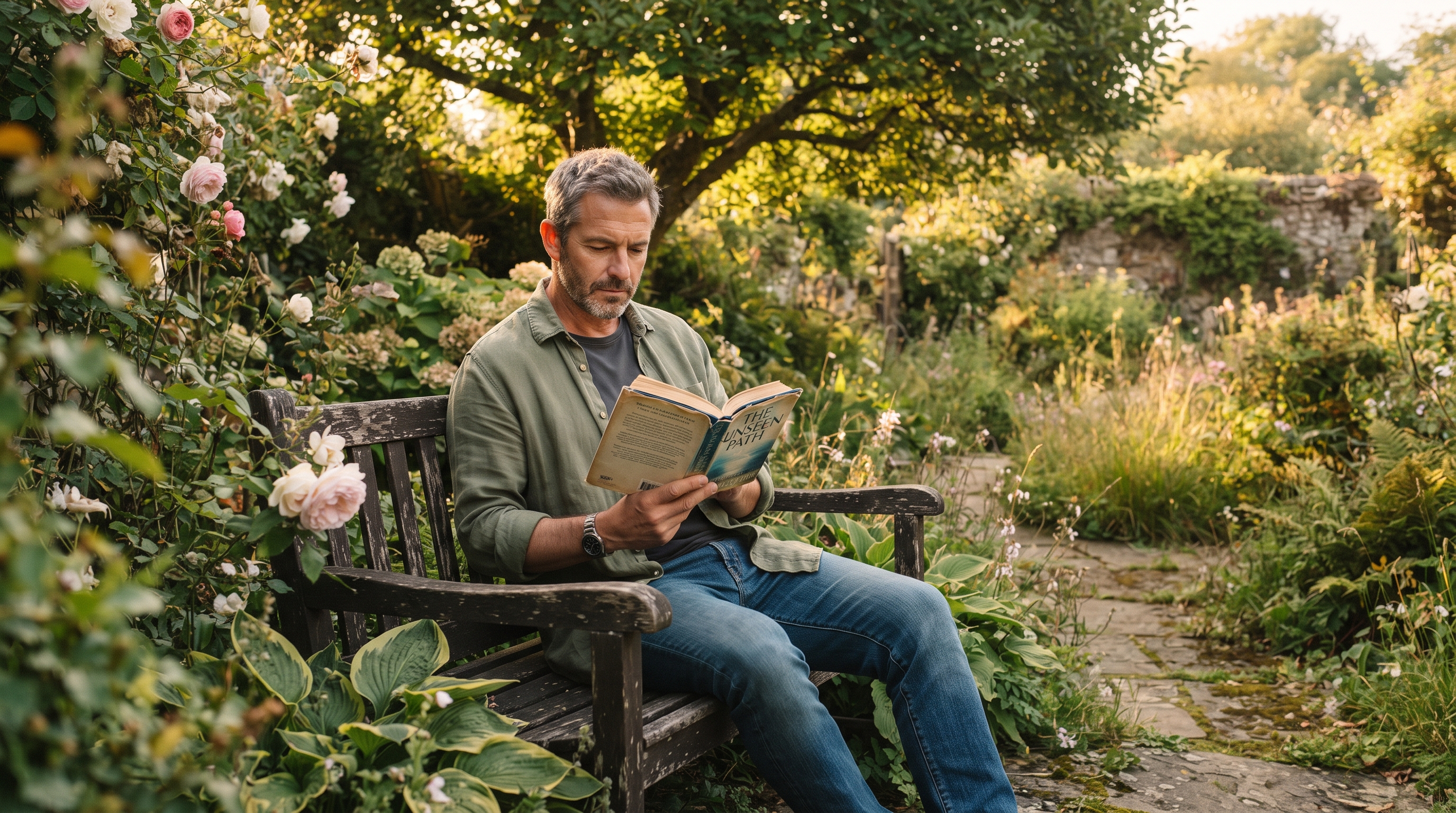
It might be walking somewhere you would usually drive, and noticing the street on the way. Cooking a meal properly on a weekday rather than assembling one. Reading a book for an hour without checking your phone. Leaving a gap in the diary on purpose and resisting the urge to fill it.
It is often about friction, deliberately reintroduced. Many of the conveniences of modern life remove effort, but they also remove the small moments of attention that effort used to bring with it.
The Discomfort at the Start
It would be dishonest to suggest that slowing down is simply pleasant. For many people, the first attempts feel uncomfortable.
When you have spent decades measuring a good day by how much you got through, an unhurried afternoon can feel like idleness, or even guilt. The mind keeps reaching for the next task. Stillness, after years without it, can feel strangely exposing.
This is normal, and it usually passes. Pace is partly a habit, and habits take time to loosen. The restlessness of the first few weeks says more about what you are used to than about what you actually need.
Choosing Where to Be Slow
Nobody can be slow about everything, and there is no need to try.
A more useful approach is to notice where speed costs you the most. For some it is meals, eaten standing up. For others it is conversations with people they love, conducted half-distracted. For others still it is the morning, which begins in a rush and never quite recovers.
Pick one of those and slow it down deliberately. Leave the rest alone for now. One unhurried part of the day tends to change the feel of the whole of it more than you might expect.
Over time, you may find that the slower parts start to spread. Or you may find that one or two is exactly enough. Either is fine.
Reflection Questions
- Which parts of my day feel rushed for no good reason?
- If I no longer had to move this quickly, would I still choose to?
- What small pleasures have I stopped noticing because I am always on the way to something else?
- How do I feel when I have an unplanned hour, and what does that tell me?
- What is one part of my week I could deliberately slow down, starting now?
Final Thoughts
Slower living is not a retreat from life. It is closer to an arrival in it.
After decades of moving quickly, it can be a relief to discover that the world does not fall apart when you stop rushing. Most things wait. And the things that do not were rarely as important as they seemed.
There is no need to overhaul anything. Simply begin by noticing your pace, and asking whether it is still the one you would choose.
You might also find useful

Surviving Scottish: A Slow Living Book
An inspiring account of choosing a slower, more deliberate life — for anyone drawn to the idea of stepping off the treadmill.
View on Amazon → (opens in a new tab)
The Soft Life Handbook
A practical guide to setting boundaries, romanticising everyday life and choosing ease over hustle.
View on Amazon → (opens in a new tab)
Minimalism: A Meaningful Life
The foundational text on intentional living — living with less to make room for what truly matters.
View on Amazon → (opens in a new tab)As an Amazon Associate I earn from qualifying purchases.