Why Muscle Loss Begins Earlier Than Most People Think
Most of us picture muscle loss as something that happens in old age. In truth it begins quietly decades earlier. A calm look at why it matters, and why it is never too late to respond.
Ask most people when muscle loss begins and they will picture someone in their eighties, unsteady on the stairs or reaching for a handrail. It feels like a problem for much later. Something to think about when the time comes.
The reality is less comfortable and, in its way, more hopeful. For most people, muscle mass begins to decline gradually from somewhere in their thirties or forties. The loss is slow enough that it goes unnoticed for years, and it tends to accelerate later in life.
Which means that if you are reading this in your late forties or early fifties, the process is very likely already under way. Not dramatically. Just steadily, in the background, while you are busy with everything else.

A Quiet Process
The medical term for age-related loss of muscle mass and strength is sarcopenia. It is not a word most people hear until later life, but the changes that lead to it start long before any diagnosis would be made.
What makes it easy to miss is that the early stages carry no obvious symptoms. You do not wake up one morning noticeably weaker. Instead there are small signals that are easily attributed to something else: a suitcase that feels heavier than it used to, a garden that leaves you more tired, getting up from a low sofa that now requires a hand on the armrest.
Body weight can also disguise what is happening. Many people keep a similar weight through midlife while the balance shifts underneath, with a little less muscle and a little more fat. The scales stay the same. The body does not.
Why It Happens
There is no single cause, and it is worth resisting the idea that muscle loss is simply a matter of willpower or effort.
Hormonal changes play a part. For women, the years around menopause bring shifts that affect both muscle and bone. For men, the changes are generally more gradual but follow a similar direction. The body also becomes somewhat less responsive to the signals that build and repair muscle, which research suggests is one reason older adults may need a little more protein to achieve the same effect.
Then there is the shape of modern midlife itself. Long hours at a desk, driving rather than walking, evenings spent recovering from demanding days. For many people, the forties and fifties are the least physically active decades of their adult lives, precisely when the body would benefit most from being asked to work.
Muscle responds to demand. When the demand disappears, so, gradually, does the muscle.

Why It Matters More Than It Seems
It is tempting to think of muscle mainly in terms of appearance or athletic ability. In fact it underpins a great deal of ordinary life.
Muscle helps regulate blood sugar, since it is one of the main places the body stores and uses glucose. It supports joints and posture. It contributes to balance, which becomes increasingly important as the risk of falls rises in later decades. And strength is closely tied to independence: the ability to carry shopping, climb stairs, get up from the floor, and travel without worrying about the luggage.
None of these things feel urgent at 50. But the strength you carry into your sixties and seventies is shaped, to a meaningful degree, by what you do now.
What Helps
The encouraging part of this story is that muscle remains responsive throughout life. It is never too late to build strength, and the evidence that resistance training helps is broad and well established.
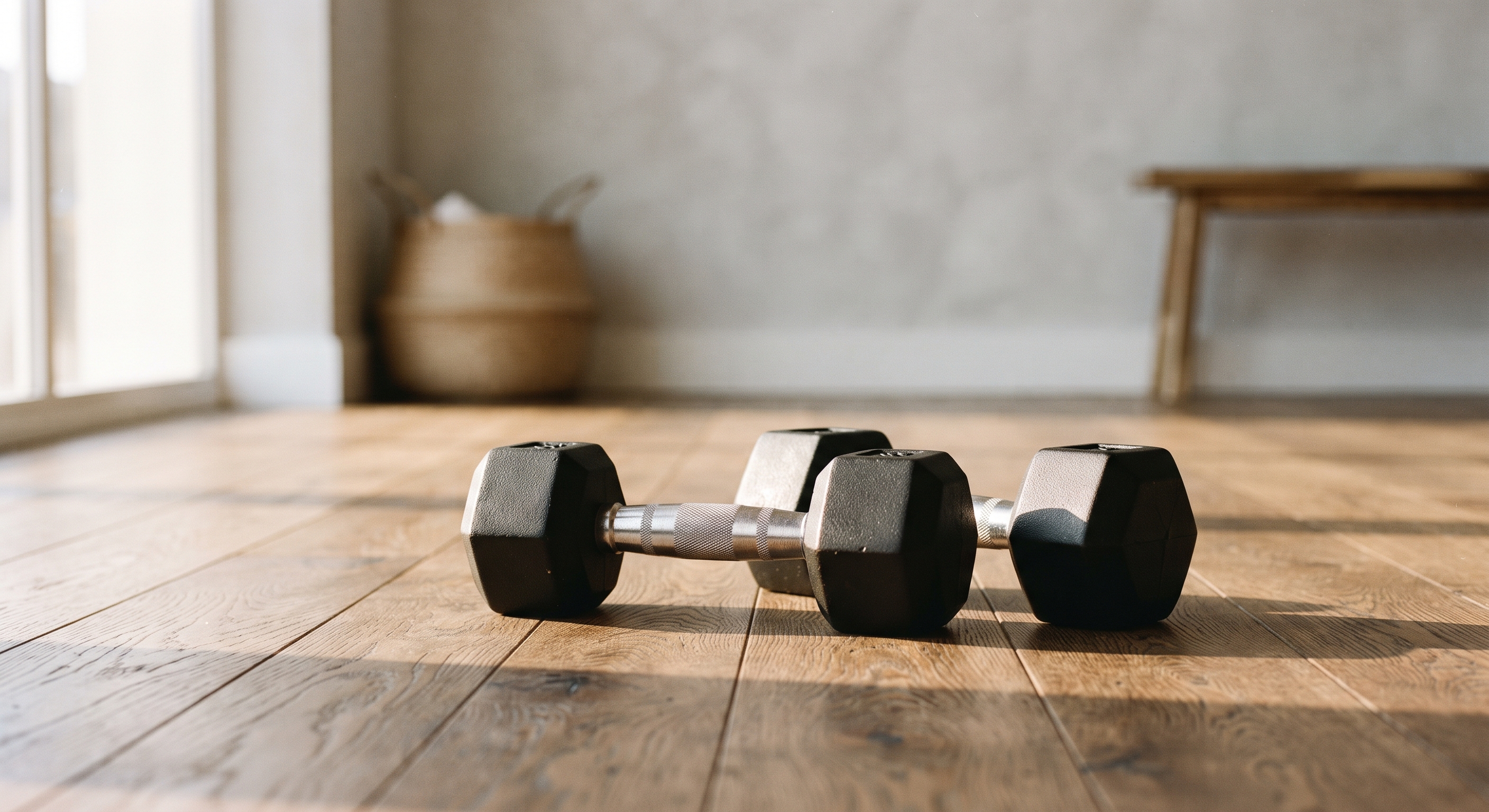
Resistance training is the most important single step. This does not have to mean a gym. Bodyweight exercises such as squats, lunges and press-ups, resistance bands at home, or carrying heavy things in the garden all count. The NHS recommends strengthening activities that work the major muscle groups on at least two days a week. What matters most is that the muscles are genuinely challenged, and that the challenge increases gradually over time.
Adequate protein supports that effort. For many people, the simplest approach is to include a good source of protein at each meal rather than concentrating it in the evening, since breakfast and lunch are often lighter than they could be.
Everyday movement matters too. Walking, taking the stairs, standing up regularly through the day. None of this replaces strength work, but it keeps the body in the habit of being used.
If you have not exercised in some time, or have a heart condition, joint problems or other health concerns, it is sensible to speak to your GP before starting something new. A physiotherapist can also be a useful guide to getting the technique right from the beginning.
Reflection Questions
- Are there everyday tasks that feel harder than they did five years ago, which I have quietly put down to being busy or tired?
- When did I last do something that genuinely challenged my muscles?
- What does my typical day of eating look like, and where might protein be missing?
- What would I like to still be able to do, physically, at 75?
- What is the smallest form of strength training I could realistically begin this week?
Final Thoughts
Muscle loss is one of the most predictable changes of the second half of life, and one of the most open to influence. That combination is rare.
You do not need to become an athlete. You need only to ask your body, regularly and patiently, to keep doing a little more than is comfortable.
The strength you build now is not about the next few years. It is a quiet investment in the person you will be in twenty.
You might also find useful
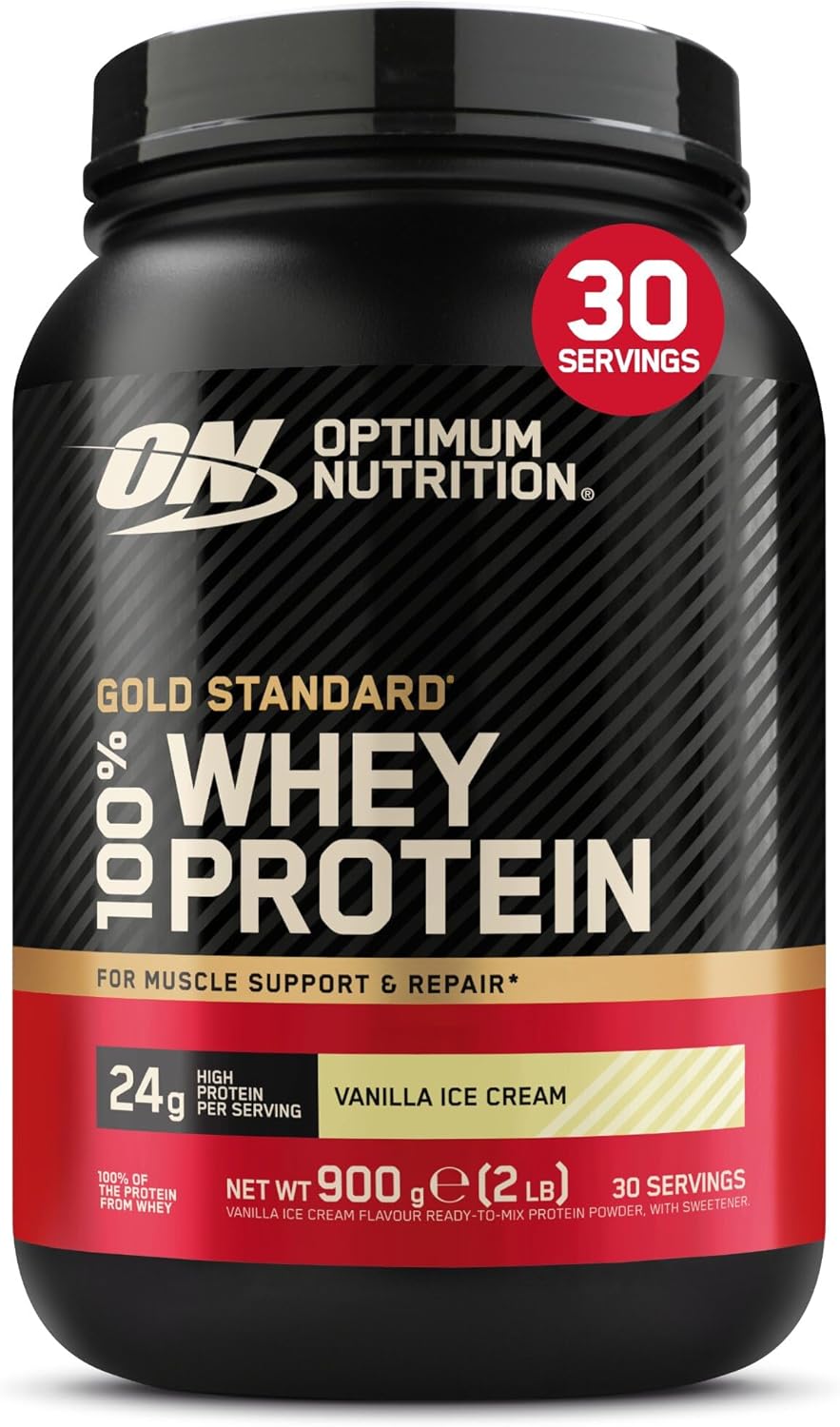
Optimum Nutrition Gold Standard Whey Protein
A convenient way to support daily protein intake as part of a balanced diet and active lifestyle.
View on Amazon → (opens in a new tab)
Upgraded Resistance Bands Training Kit
A complete home resistance training set — an effective and joint-friendly way to build and maintain muscle strength at any age.
View on Amazon → (opens in a new tab)
Magnesium Glycinate Supplements
Magnesium contributes to normal muscle function and the reduction of tiredness and fatigue — a mineral worth maintaining as part of a balanced diet.
View on Amazon → (opens in a new tab)
Vitamin D3 4000IU + K2 MK7
Vitamin D contributes to the maintenance of normal bones and muscle function. Many adults in the UK have low vitamin D levels, particularly in winter months.
View on Amazon → (opens in a new tab)
ELVIRE Foam Roller Massage Tool
A foam roller for muscle recovery, reducing stiffness and improving mobility — a simple daily habit with long-term benefits.
View on Amazon → (opens in a new tab)
Covacure Adjustable Walking Poles
Lightweight adjustable walking poles to support longer walks, improve posture and reduce joint strain.
View on Amazon → (opens in a new tab)
Fit After 50: Stronger, Fitter, Happier
A practical fitness book written specifically for the over-50s — covering strength, mobility and sustainable exercise habits.
View on Amazon → (opens in a new tab)As an Amazon Associate I earn from qualifying purchases.